
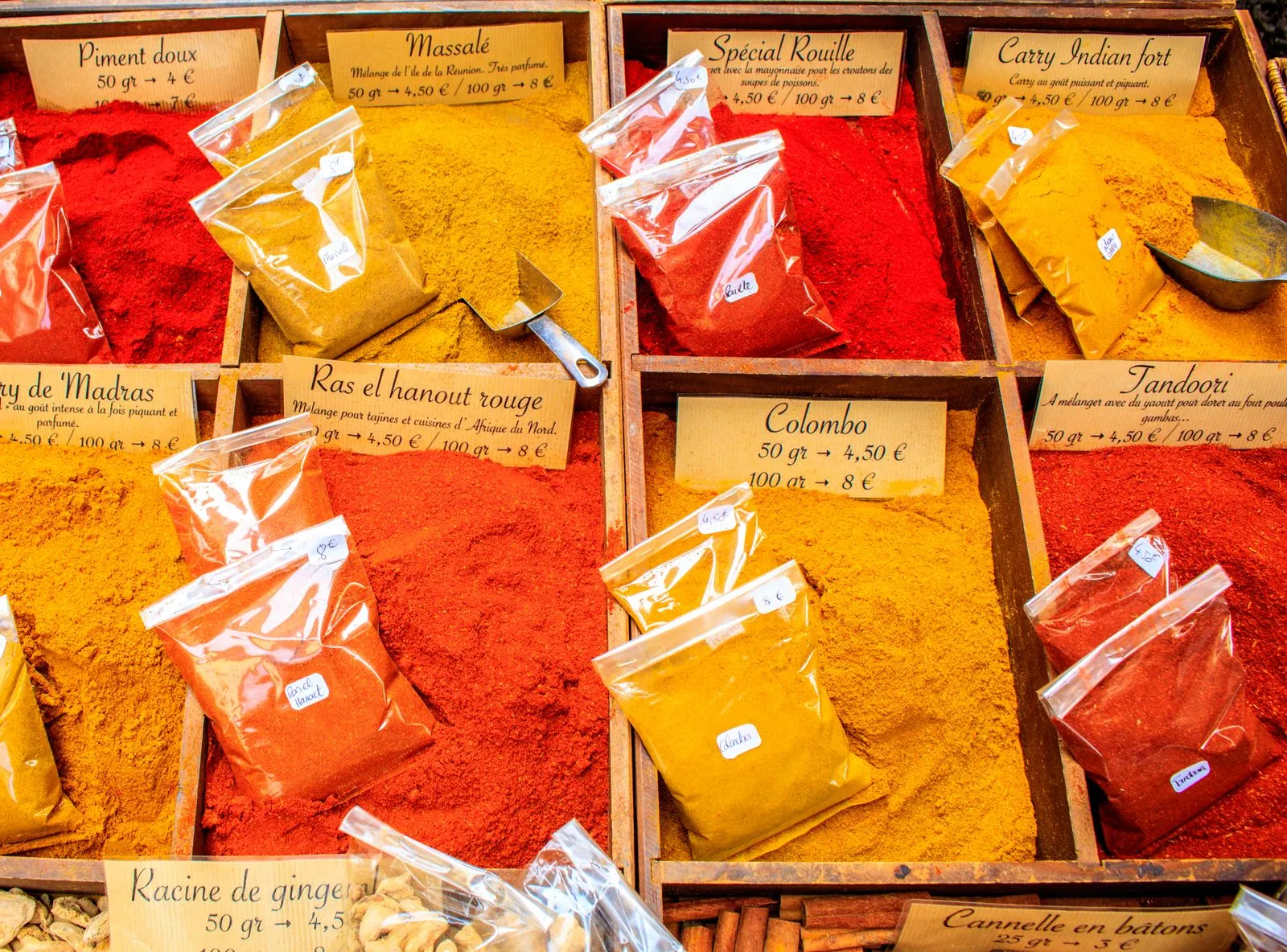
Paprika ranges from mild and fruity to distinctly hot, and some varieties add a smoky aroma that can change the character of a dish. The labels can be confusing because “smoked” describes how the peppers are prepared, while “sweet” and “hot” describe their flavor or heat. Knowing the difference helps you season with intention. Use this guide to compare the main types and find a practical match for meals you already cook.
Know the Main Differences
Sweet paprika has little to no heat and a gentle, rounded pepper flavor. It adds color and mild sweetness without making a dish spicy, so it works well when you want paprika’s warmth to support other ingredients. Check the label: “sweet” usually describes flavor, while paprika simply labeled “ground” may vary in heat and intensity.
Hot paprika brings noticeable chile heat along with its pepper flavor. The level can vary by product, so start with a small amount if you have not tried that brand. Smoked paprika is made from peppers dried over smoke, which gives it a woodsy aroma. It may be sweet or hot, so check both the smoke and heat descriptions.
Match Paprika to the Dish
Choose sweet paprika for deviled eggs, potato salad, hummus, roasted potatoes, or a mild soup. It adds color and a soft pepper note without competing with delicate flavors. Stir it into a creamy sauce or sprinkle it over finished eggs and vegetables for an easy, controlled addition.
Use hot paprika when a dish can benefit from direct heat, such as chili, bean stew, marinades, or spiced chicken. Add it gradually, tasting as you go, especially if the recipe also includes cayenne, hot sauce, or fresh chile. A small amount can sharpen the flavor; too much may overwhelm the other seasonings.
Smoked paprika suits dishes that benefit from a savory, smoky note, including roasted cauliflower, lentils, tomato soup, grilled vegetables, and dry rubs. It can suggest the flavor of cooking over fire, but it does not replace the texture or full flavor of grilling. Try it in a recipe before adding it to every component.
Read Labels and Season Carefully
Look for clear wording such as sweet, hot, or smoked, and check whether a smoked product is also labeled sweet or hot. Color alone is not a dependable guide to heat. If the package gives a pepper type or origin, treat that as useful detail, but let the stated flavor profile and a small taste guide your choice.
Paprika can taste dull when it has lost freshness. Buy a size you can use while its aroma is still lively, and keep it in a tightly closed container away from heat, light, and moisture. When cooking, briefly warm paprika in oil or add it to a moist mixture; avoid scorching it in a hot, dry pan, where it can turn bitter.
Build a Useful Pantry
If you cook a range of dishes, keep sweet paprika as your everyday option and add hot or smoked paprika based on your preferences. You do not need every variety to start: choose the one that fills a gap in your cooking. For example, smoked paprika is useful if you want a smoky note without a grill, while hot paprika suits meals where you regularly add chile heat.
When adapting a recipe, use the same amount of sweet paprika as a starting point for smoked paprika, then adjust after tasting. For hot paprika, begin with less than the recipe’s amount of mild paprika and increase carefully. Record which variety you used; that makes it easier to repeat a result without guessing.
Choose paprika by the flavor you want: sweet for gentle pepper notes, hot for chile warmth, and smoked for a woodsy accent. Check the label, start with a measured amount, and taste before adding more. For help selecting a variety for your pantry, contact Atlanta Smoke & Spice.